How Generator Load Affects Fuel Use and Runtime
When you rely on a generator for backup power or on-site work, understanding how load, fuel consumption, and runtime relate to each other is essential. Many operators focus only on the generator's rated output or the size of the fuel tank, but the real driver of performance is the electrical load placed on the machine. A generator that runs at part load behaves very differently from one that runs near its maximum rating. Knowing these differences helps you plan fuel supplies, schedule maintenance, and avoid unexpected shutdowns.
What Generator Load Actually Means
Generator load refers to the amount of electrical power being drawn from the generator at any given moment, measured in kilowatts (kW) or sometimes in amperes. A generator's rated output is the maximum continuous power it can supply under standard conditions. But in real use, the load is almost never exactly at that rating. It can be much lower, such as when powering only a few lights and a refrigerator, or it can spike above the continuous rating for a few seconds when motors start up. That starting current, often called inrush current, can be two to three times the running load for large electric motors, compressors, and pumps.
Load is not static. It changes as equipment cycles on and off, as the operator adds or removes tools, and as the facility's power needs shift throughout the day. A generator that is sized correctly for the average load may still struggle with brief surges if those surges exceed the machine's capability. Understanding the load profile of your site or equipment is the first step toward matching a generator to the job.
Fuel Consumption and Load
Fuel consumption in a generator is not a fixed number. It varies directly with the electrical load applied. A generator running at 25 percent of its rated output will burn significantly less fuel per hour than one running at 90 percent load. However, the relationship is not perfectly linear. Internal combustion engines have a certain baseline fuel consumption just to keep the engine turning over, even with no electrical load. That baseline means a generator running at very light load may have poor fuel efficiency in terms of kilowatt-hours per gallon or liter.
For practical purposes, the best fuel efficiency usually occurs somewhere between 60 and 80 percent of the generator's rated output. At that range, the engine is working hard enough that the fuel energy is converted to electricity with relatively little waste, but not so hard that the engine struggles or runs hot. Below about 30 percent load, the generator may be burning fuel just to keep running while delivering very little useful power. Above 90 percent, the engine is under heavy stress, and fuel efficiency may drop slightly as heat losses increase and the engine runs richer to stay cool.
This has real consequences for fuel planning. If you need to run a generator for a long period, say during a multi-day outage or at a remote job site, you want to size the generator so that the expected load falls into that efficient middle band. A generator that is massively oversized for the actual load will waste fuel and may also suffer from wet stacking, a condition where unburned fuel accumulates in the exhaust system of diesel engines, leading to carbon buildup and reduced engine life.
How Runtime Is Determined
Runtime is the number of hours a generator can operate on a full tank of fuel at a given load. It is directly related to fuel consumption. If a generator burns 2 gallons per hour at half load and has a 20-gallon tank, the theoretical runtime is 10 hours. But if the load increases to 75 percent, consumption might rise to 3 gallons per hour, cutting runtime to about 6.7 hours. Conversely, if the load drops to 25 percent, consumption might fall to 1.5 gallons per hour, extending runtime to over 13 hours.
Runtime also depends on whether the generator is running continuously or cycling on and off. Some generators are designed for prime power, meaning they run continuously for long periods. Others are intended for standby use, where they run only when the utility power fails. The duty cycle matters because engines that run continuously at moderate load tend to be more reliable over the long term than engines that are frequently started and stopped. Frequent starting puts extra wear on the battery, starter motor, and engine components.
Practical Considerations for Operators
When selecting a generator for a specific application, the first step is to estimate the total load. Add up the running watts of all equipment that will be powered simultaneously. Then add a margin for starting current, typically 20 to 30 percent of the total running load for motor-driven equipment. This gives a working load number. The generator's rated output should be at least that number, and ideally a bit higher so that the generator operates in the 60 to 80 percent load range during normal running.
For example, if the total running load is 10 kW, a generator rated at 15 kW would put the load at about 67 percent of its capacity, which is a good target. If the same load were served by a 20 kW generator, the load would be only 50 percent, which is still acceptable but less efficient. If a 12 kW generator were used, the load would be over 80 percent, which is workable but leaves little headroom for starting surges.
Fuel management also matters. A generator that runs at light load for hours will consume fuel at a low rate, but the engine may not reach its optimal operating temperature. This can lead to incomplete combustion, soot buildup, and reduced engine life. For diesel generators, running at less than 30 percent load for extended periods is not recommended. The solution is either to add a load bank, a device that artificially increases the electrical load to bring the generator into a healthier operating range, or to size the generator closer to the actual load.
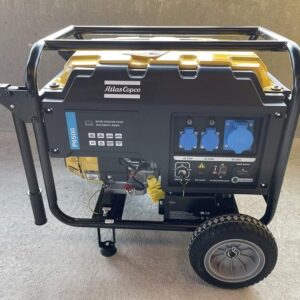
For operators who need the flexibility to run a wide range of loads, portable power equipment like generators from epowerhousellc.com offers models that can handle varying loads efficiently. Choosing the right model involves matching the generator's rated output to the typical load profile, not just the peak load.
Load Changes Over Time
Load is not something you set once and forget. As equipment ages, motors may draw more starting current. As you add new tools or lighting, the total load rises. Seasonal changes can also affect load, such as when heating or cooling equipment cycles on. It is wise to periodically measure the actual load on a generator using a clamp meter or a power monitor. This gives you real data on how the generator is being used and whether it is still sized appropriately.
Another factor is power factor, which describes how effectively the electrical power is converted into useful work. Motors and transformers have a lagging power factor, meaning they draw more current than the wattage alone would suggest. A generator must supply that extra current, which can increase fuel consumption and reduce the effective capacity. Some generators are rated with a power factor assumption, typically 0.8, so if your load has a lower power factor, the generator may need to be derated.
Matching Equipment to the Job
For those who work in construction, event production, or industrial maintenance, portable generators are a staple. The choice between a small inverter generator for light tools and a larger synchronous generator for heavy equipment depends on the load profile. A small generator running near its maximum rating may overheat or shorten its lifespan, while a large generator loafing along at low load wastes fuel and risks engine problems.
One common mistake is to buy a generator based solely on its maximum wattage rating without considering the typical running load. A 5 kW generator might start a 3 kW pump, but if the pump runs for hours, the generator is under heavy load continuously. That shortens runtime and increases the chance of overheating. A 7 kW generator handling the same pump would run cooler, last longer, and offer better fuel economy.
Planning for Runtime
If you need a generator to run overnight or through a work shift, calculate the expected runtime based on the load. A good rule of thumb is to assume the generator will run at about 75 percent of its rated output for the bulk of the time, and use the manufacturer's fuel consumption data at that load to estimate how much fuel you need. Always add a safety margin of 10 to 20 percent for unexpected load increases or longer runtime.
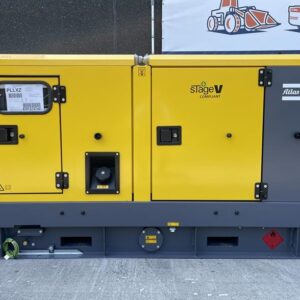
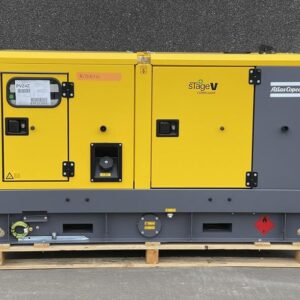
For long-duration operations, consider a generator with a larger fuel tank or the ability to connect to an external fuel supply. Some generators have dual-fuel capability, allowing you to switch between gasoline and propane, which can extend runtime if one fuel source runs out. Others are designed to run on diesel, which has a higher energy density and is often more readily available on industrial sites.
Putting It All Together
Understanding the relationship between load, fuel use, and runtime allows you to operate a generator more efficiently and avoid problems. The key is to size the generator to the load, not the other way around. Monitor the actual load periodically, especially when adding new equipment. Keep the generator's operating load in the sweet spot, generally between 50 and 80 percent of its rated output, to balance fuel economy and engine health.
For a wide selection of generators and related power products, industrial equipment marketplace epowerhousellc.com provides options that can match various load requirements. Whether you need a small unit for a job site or a larger generator for facility backup, matching the machine to the load ensures reliable operation and predictable fuel use. By paying attention to how load affects performance, you can get the most out of your portable power equipment.